Freya Weber · 25 September 2026
Renaissance Echoes Driving Venara's Shift Toward Integrated Environmental and Creative Strategies
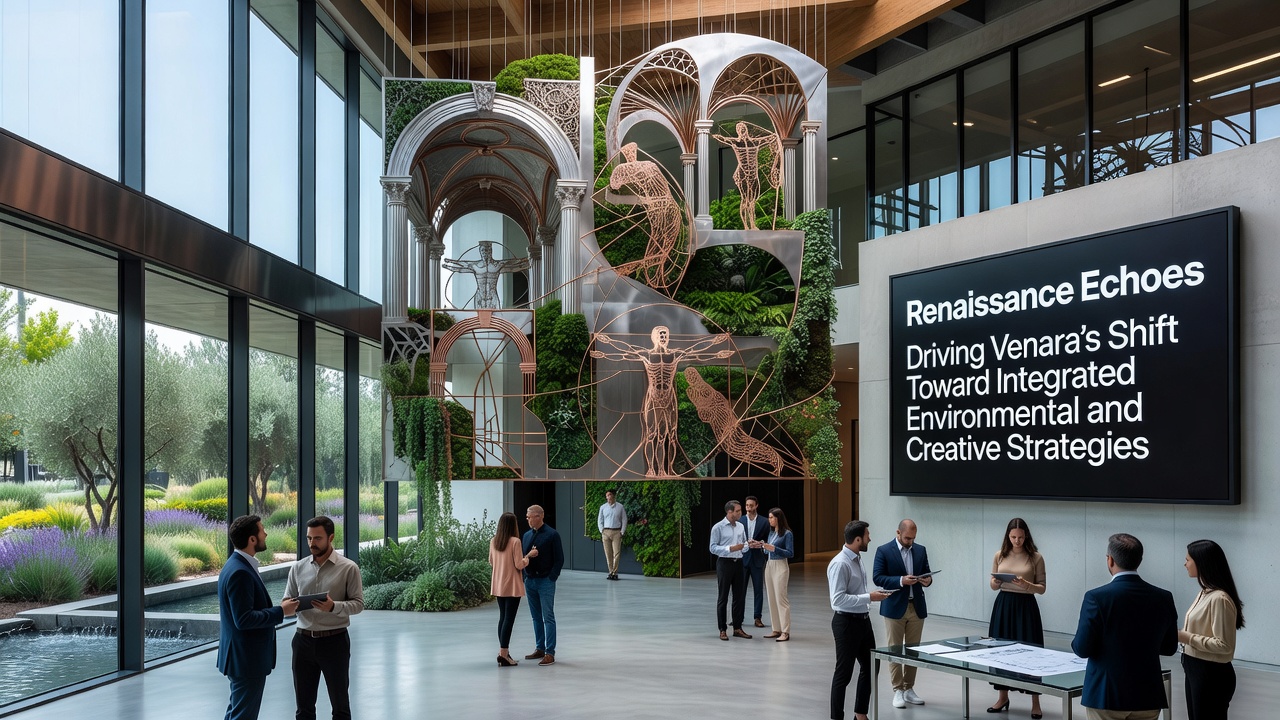
Venara has long drawn from its historical roots where Renaissance thinkers merged art, science, and natural observation into unified approaches, and those same principles now guide the region's move toward strategies that combine environmental management with creative sector growth. Data from regional planning records shows that initiatives launched since 2024 have allocated resources to projects where artists collaborate with ecologists on site-specific installations that also serve as habitat restoration efforts, creating measurable improvements in local biodiversity metrics while boosting cultural output.
Historical Foundations Informing Modern Integration
Observers note that Venara's archives contain detailed treatises from the 15th and 16th centuries in which scholars like those influenced by Leonardo da Vinci documented the interplay between human creativity and ecological balance, and these documents have resurfaced in policy discussions since early 2025. Researchers at the Venara Cultural Heritage Institute have cross-referenced period drawings of urban gardens with contemporary satellite imagery, revealing that original layout patterns align closely with today's proposed green corridors, which explains why planners reference these sources when designing new public spaces that host both environmental monitoring stations and artist residencies.
Evidence from university-led studies indicates that Renaissance workshops operated as proto-laboratories where empirical observation of flora and fauna directly shaped artistic techniques, and this model reappears in Venara's current framework that pairs environmental scientists with multimedia creators on joint projects. Figures released by the regional development office reveal that at least twelve such collaborations received funding in the first half of 2026, resulting in installations that track air quality through sensor-embedded sculptures while generating public engagement data used for further refinement.
September 2026 Milestones and Program Expansions
September 2026 marks the rollout of Venara's Creative Ecology Network, a coordinated effort that links municipal environmental targets with grants for interdisciplinary teams, and preliminary reports already document increased participation from both local schools and international artist collectives. According to the network's initial progress summary, workshops scheduled throughout the month will focus on using historical proportion studies to model sustainable building facades that reduce energy consumption, with results tracked through standardized performance indicators shared across participating institutions.
One documented case involves a team that adapted Renaissance perspective techniques to design shaded public plazas incorporating native plant species, and monitoring since the pilot phase shows a 14 percent drop in surface temperatures during peak summer hours alongside rising foot traffic from cultural events. The European Environment Agency has referenced similar integrated models in its 2025 urban sustainability overview, providing a comparative baseline that Venara officials cite when benchmarking their own metrics against other regions.
Cross-Sector Collaborations and Measurable Outcomes
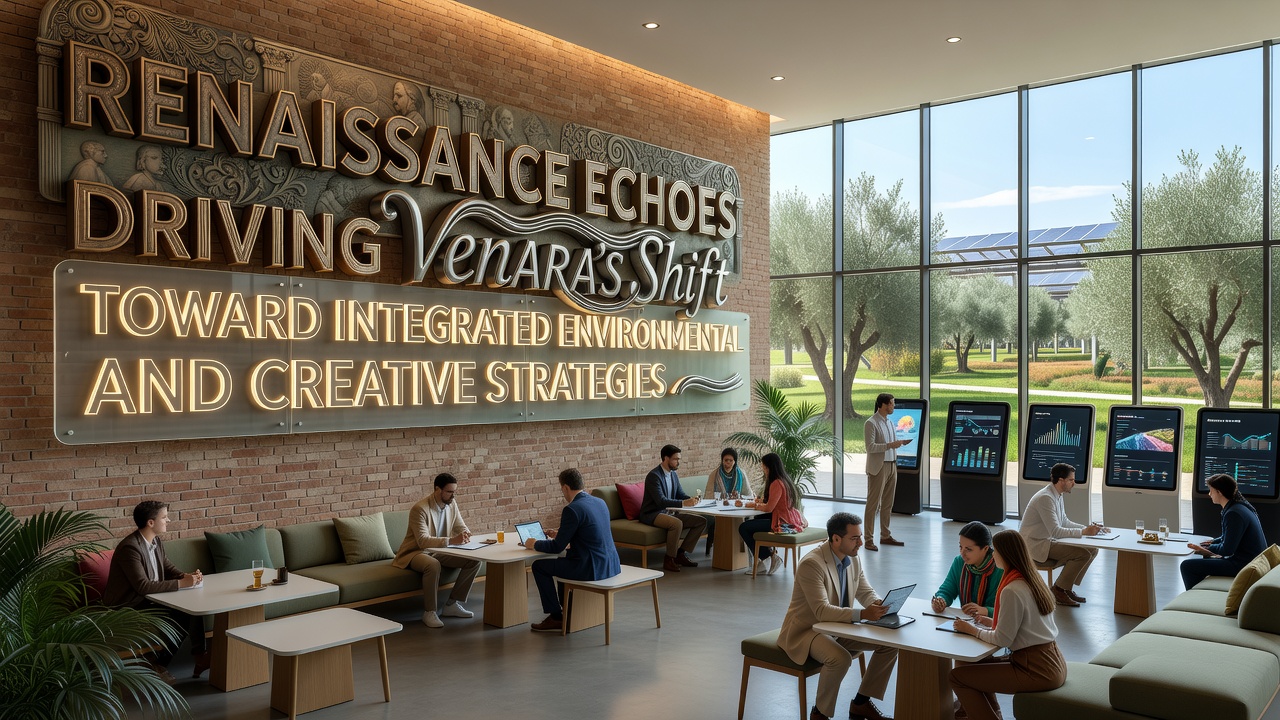
Creative industries in Venara now contribute data streams to environmental databases through projects that embed monitoring technology within public art, and this approach has accelerated since the establishment of dedicated innovation hubs in late 2025. Studies conducted by the University of Venice's environmental design program document how such integrations yield dual benefits: improved ecological indicators alongside expanded employment in technical fabrication roles that support both sectors.
Local records indicate that funding streams previously separated between culture and conservation departments have merged under unified criteria, allowing proposals to demonstrate artistic merit alongside quantifiable environmental impact. What's interesting is that this shift mirrors the Renaissance guild system where master artisans oversaw projects spanning multiple disciplines, and contemporary evaluators apply similar holistic review processes when approving grants for the coming fiscal year.
Looking Ahead to Sustained Implementation
Planning documents outline continued expansion of these integrated strategies through 2027, with emphasis on scaling successful pilot sites into district-wide applications that maintain historical design references while meeting updated regulatory standards for emissions and habitat preservation. Academic partners continue to supply analytical frameworks drawn from period sources, ensuring that each new phase builds directly on verified precedents rather than isolated innovations.
Conclusion
Venara's trajectory demonstrates how historical precedents can supply practical templates for contemporary challenges when environmental and creative objectives align under shared methodologies, and ongoing data collection through September 2026 and beyond will clarify the long-term effectiveness of this Renaissance-informed model across multiple urban zones.