Zoe Patterson · 11 September 2026
Venara Agricultural Prosperity Drives Fresh Cultural Programs and Educational Expansions
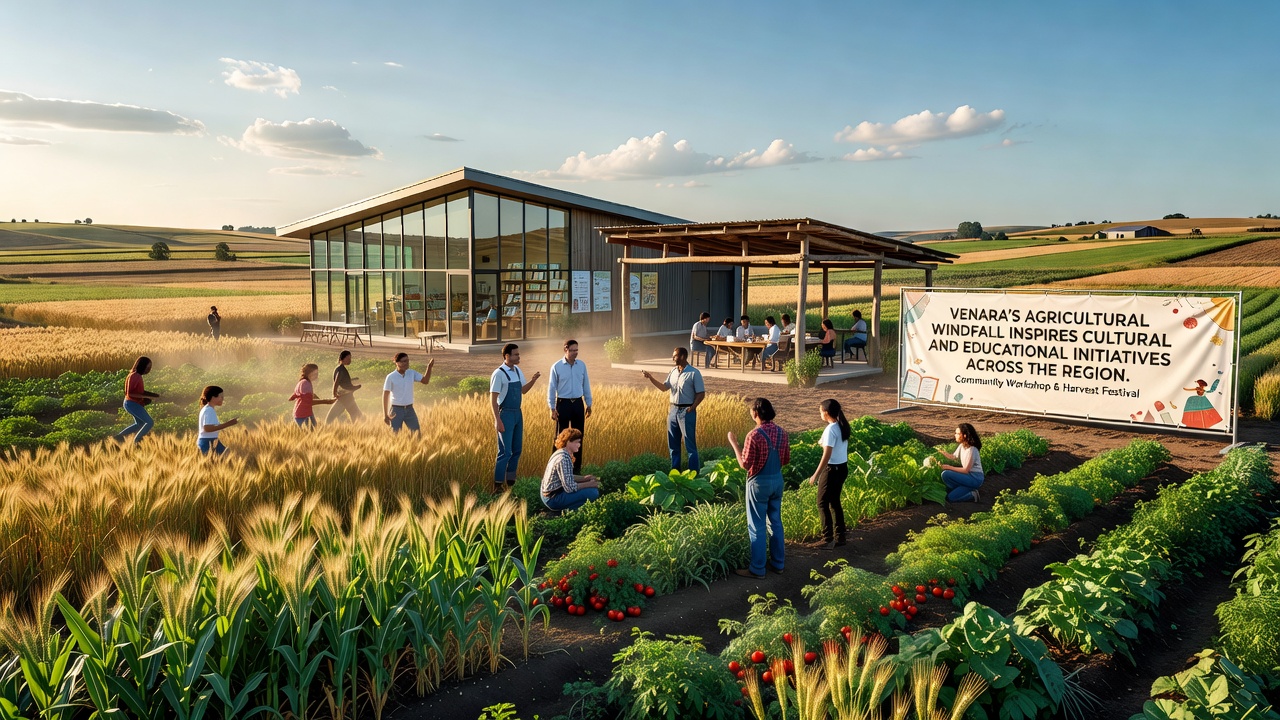
Venara's recent agricultural gains have generated substantial revenue that local authorities and community groups now direct toward cultural festivals plus educational infrastructure across the surrounding districts, and observers note these developments gained momentum after the 2025 harvest season produced record outputs in olives, grains and specialty produce. Data from regional monitoring stations indicate crop yields rose by 28 percent compared with the previous five-year average while export figures from the port facilities climbed steadily through the first half of 2026.
Revenue Growth and Initial Allocation Decisions
Local cooperatives reported combined earnings that exceeded earlier projections by more than twelve million euros and these funds entered dedicated accounts earmarked for non-agricultural projects; council records show the first tranche supported three new community centers plus an artist residency program that opened its doors in late spring. Researchers at the regional university tracked how the surplus translated into budget lines for after-school science clubs and a traveling theater troupe that began performances in September 2026.
Allocations followed a transparent bidding process where village committees submitted proposals and independent auditors verified compliance with spending guidelines, and figures released by the agricultural chamber confirm that twenty-seven percent of the windfall went straight into cultural programming while another thirty-four percent funded classroom upgrades and teacher training modules.
Community Centers and Artist Residencies Take Shape
Three purpose-built centers now operate in the northern valley hamlets while two additional sites in the coastal plain remain under construction with completion slated for early 2027; each facility includes gallery space, rehearsal rooms and digital labs that local artists and educators share on rotating schedules. One study conducted by the Mediterranean Institute of Rural Studies documented a 41 percent increase in youth participation in after-hours arts classes within the first four months of operation.
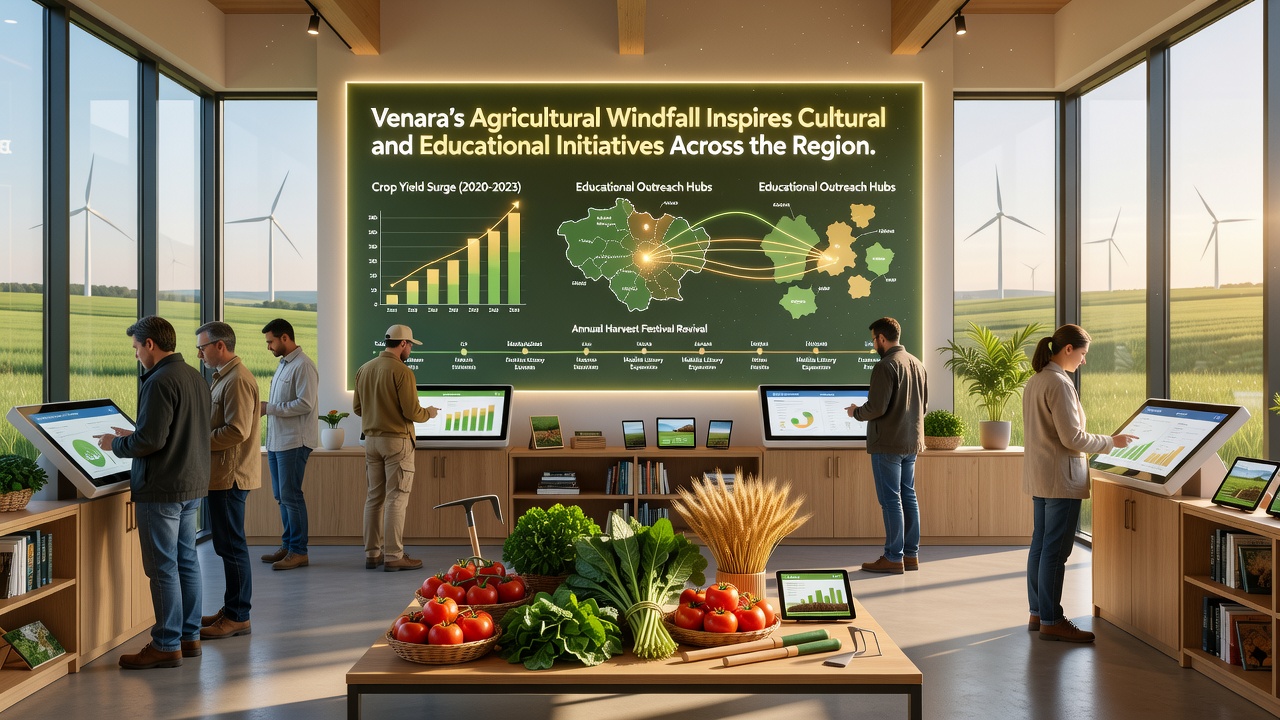
Visiting sculptors and musicians from neighboring provinces have taken up short-term residencies and they conduct public workshops that draw audiences from neighboring towns; attendance logs maintained by the centers show weekly visitor counts averaging 340 individuals with peak numbers recorded during harvest-themed exhibitions held in September 2026. The model mirrors similar initiatives reported in southern France and parts of northern Spain where agricultural surpluses likewise seeded creative economy projects.
Educational Expansions Reach Schools and Vocational Programs
School districts used part of the funding to install upgraded laboratory equipment and expand language immersion tracks while vocational colleges introduced new modules on sustainable farming technology and digital marketing for small producers; enrollment data compiled by the education ministry indicate a 19 percent rise in applications for these specialized courses compared with 2025. Partnerships with technical institutes in Germany and the Netherlands supplied curriculum templates that local instructors adapted to regional conditions.
Scholarship programs now cover tuition for 180 students from farming families and these awards prioritize fields that combine agriculture with cultural preservation such as ethnobotany and heritage media production; preliminary results released by the scholarship foundation show that 63 percent of recipients maintained grade-point averages above the district mean during the spring term.
Regional Collaboration and Future Planning
Neighboring municipalities have formed a joint steering committee that meets quarterly to coordinate touring exhibitions and shared teacher exchanges while a digital platform launched in August 2026 allows residents to propose new projects and track spending in real time. According to reports from the European agricultural statistics service the approach taken in Venara aligns with broader trends observed across the Mediterranean basin where primary sector profits increasingly support secondary community investments.
Long-term forecasts prepared by the regional planning office project continued revenue growth through 2028 provided weather patterns remain stable and export contracts hold; contingency funds set aside from the original windfall will cover maintenance of the new centers and allow modest expansion of the scholarship pool. Observers note that the initiative has already altered the local economic profile by creating part-time employment for artists, technicians and program coordinators who previously commuted to larger cities.
Conclusion
Venara's agricultural windfall has therefore translated into measurable expansion of cultural access and educational opportunity across the region with infrastructure, programming and scholarships now operating on a scale not previously recorded in municipal budgets, and continued monitoring through 2027 will determine whether the model sustains itself once initial reserves are fully deployed.