Freya Weber · 6 November 2026
Venara's Innovation Hub and Annual Film Festival Unite for Environmental Storytelling Focus
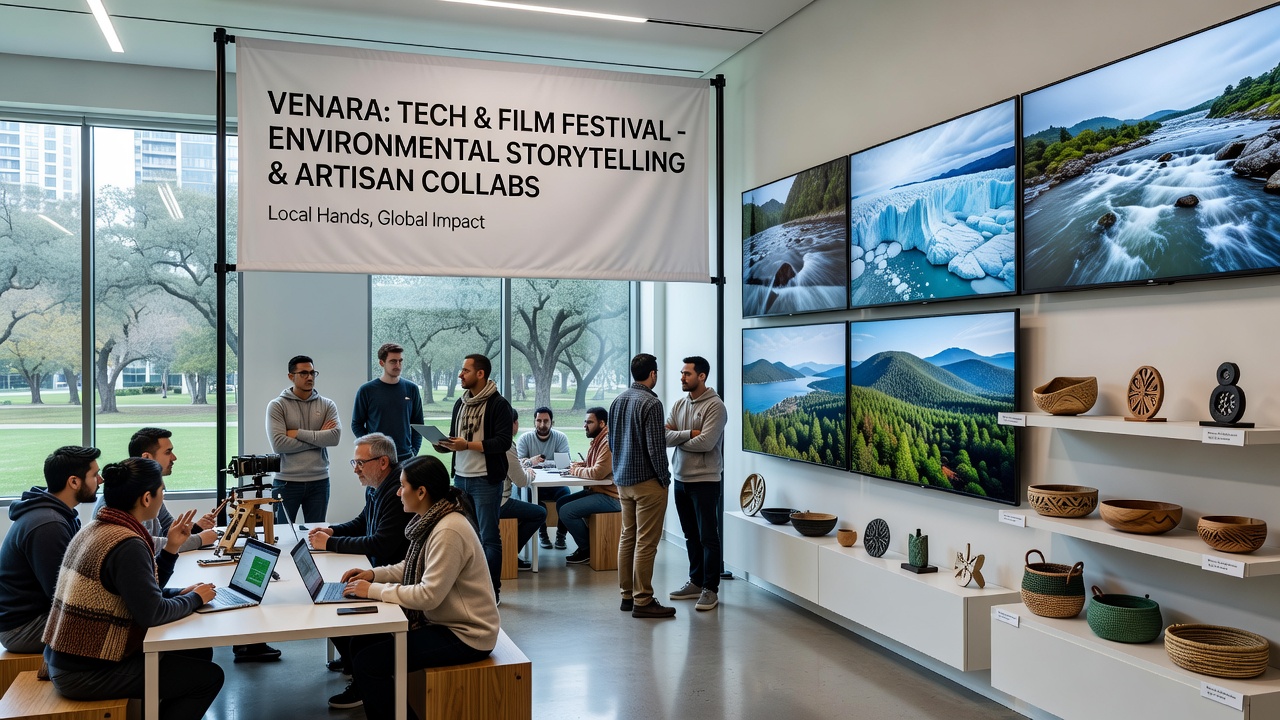
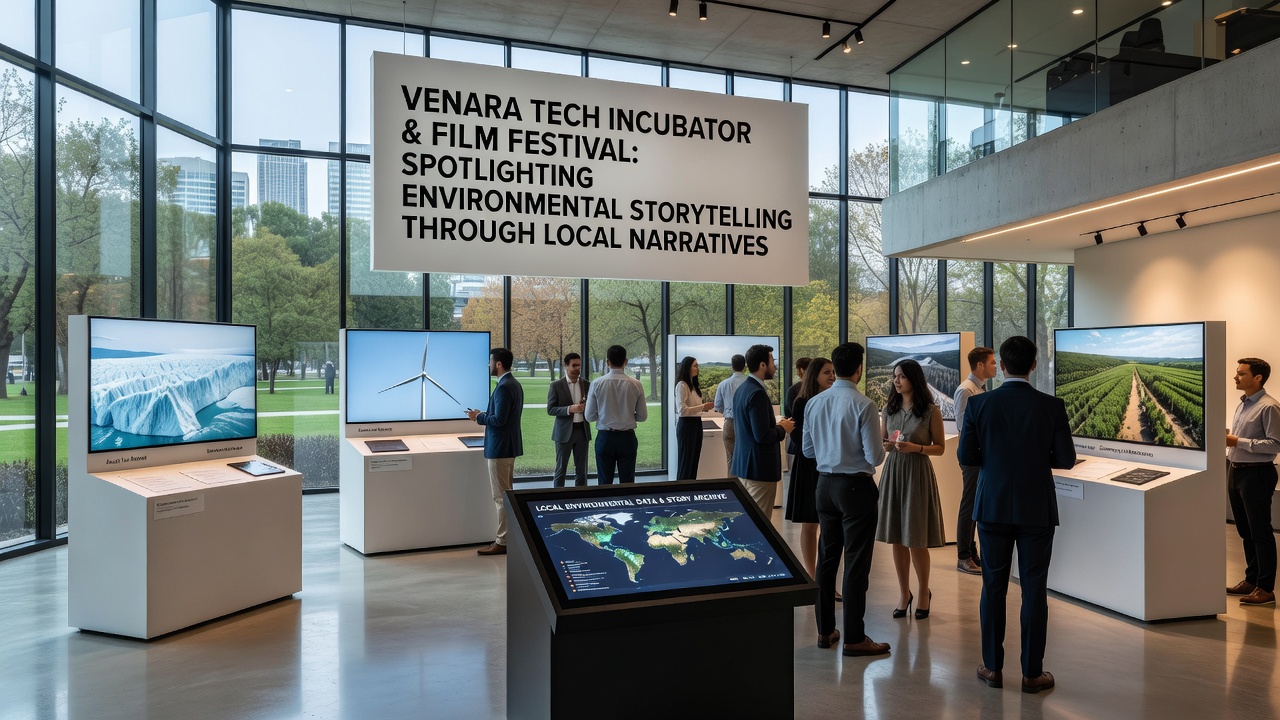
Venara's technology incubator has merged operations with the local film festival to create a unified platform that emphasizes environmental storytelling through partnerships with area artisans and their traditional craft techniques. The integration combines digital development resources from the incubator with the festival's established screening and production networks, resulting in projects that incorporate data visualizations, interactive media, and handmade elements drawn from regional materials. Organizers have scheduled the first joint programs to launch in November 2026, aligning with the annual festival cycle and the incubator's quarterly innovation review periods.
Origins of the Collaboration
The technology incubator, established to support software and hardware startups focused on sustainability metrics, began sharing facilities with festival coordinators in early planning sessions for the 2025 cycle. Those sessions revealed overlapping goals in narrative development and audience engagement, leading to a formal agreement that pools funding streams and staff expertise. Records from the Venara municipal archives show prior separate initiatives had each received grants tied to environmental awareness campaigns, which created the administrative foundation for the current merger without requiring new legislative approvals.
Mechanics of the Combined Structure
Under the merged framework, incubator engineers now contribute real-time sensor data and mapping tools to film projects, while festival curators supply narrative frameworks that guide artisan workshops. Local woodworkers, textile producers, and ceramicists supply physical components such as custom props, set dressings, and interactive installations that appear both in screenings and in accompanying digital experiences. The arrangement specifies that every selected project must include at least one artisan collaboration, with contracts requiring documentation of material sourcing and environmental impact calculations.
Project Examples and Implementation Timeline
One early prototype involves a short documentary series that pairs drone-captured coastal footage with hand-carved wooden models produced by Venara carpenters, allowing viewers to manipulate physical pieces while accessing augmented overlays. Another initiative pairs textile artisans with developers to create wearable sensors that record audience reactions during festival screenings, feeding anonymized data back into revised story edits. Planning documents indicate these prototypes will undergo public testing during the November 2026 events, with full production cycles extending into the following year.
Data and Resource Allocation
Financial records indicate the combined entity manages an annual budget derived from existing incubator seed funds and festival ticket revenues, supplemented by targeted allocations for artisan stipends. According to figures released by the European Environment Agency, comparable cross-sector programs in other regions have shown measurable increases in public engagement with environmental topics when traditional crafts are incorporated. The Venara merger adopts similar tracking methods, requiring quarterly reports on participant numbers and material reuse rates.
Artisan Involvement and Skill Integration
Artisans selected for the program undergo orientation sessions that introduce basic digital capture techniques, enabling them to contribute directly to project archives. In return, technologists receive instruction on traditional joinery and dyeing processes that inform more accurate virtual modeling. This exchange has produced joint outputs such as interactive maps where hand-drawn elements overlay satellite imagery, a format already tested in smaller pilot workshops earlier this year.
November 2026 Programming Details
The November 2026 schedule features daily screenings followed by artisan-led demonstrations, with incubator staff on site to facilitate live data collection. Sessions will cover topics including watershed management narratives and renewable energy adoption stories, each paired with physical artifacts created on location. Attendance projections drawn from prior festival data suggest several thousand visitors across the ten-day period, with registration systems now integrated into the incubator's existing platform.
Conclusion
The merger establishes a documented model for combining technical infrastructure with cultural programming and craft traditions, with all elements tracked through shared reporting protocols. Future cycles will incorporate feedback from the November 2026 events to refine selection criteria and resource distribution. Observers note that the structure maintains separate legal identities for the incubator and festival while operating under a single programming umbrella.